



Imagine a library that stretches beyond the horizon, shelves stacked with every story ever told but with one problem: the books are scattered across a thousand different wings, hidden in locked cabinets, stacked on high shelves, and tucked into secret rooms you can’t reach. You want to dive in, rewrite the ending of a saga, explore an alternate arc, or craft a crossover no one’s dared to imagine but every step requires unlocking doors and right platforms just to find the pieces and community you need. The stories exist, the fans exist but there’s nowhere for all that creativity to come together in one place.
This is fandom in 2026: an infinite universe of creativity trapped in fragments. Fans theorize, write fanfiction, paint art, and remix characters but the spaces to share, explore, and collaborate are scattered across Twitter, Tumblr, Reddit, Discord, Webtoons, DeviantArt, and YouTube. Every “what if” becomes a quest of its own, and brilliant ideas risk fading before they find an audience.
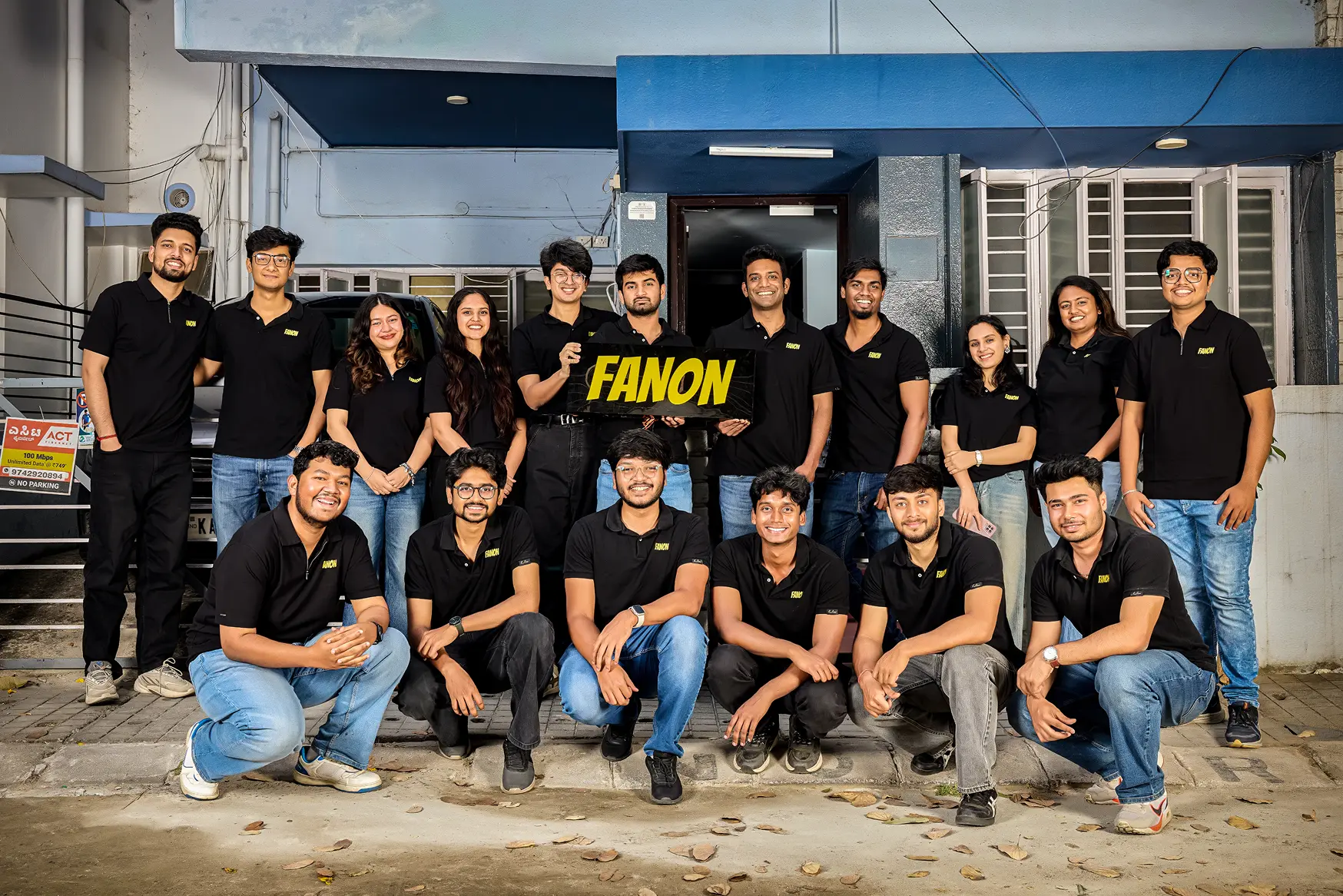
Enter Fanon. Founded in 2024 by Jatin Nayak, Nesar Rao, and Arvindmani Satyanarayan, Fanon is a fandom-first storytelling and discussion platform built to bring these scattered pieces together. It’s a universe where fanfiction, comics, videos, and discussion collide—a home where every “what if” can take form, every theory can spark conversation, and every fan can find a stage built just for them.
A Playground for Alternate Realities
Fanon was created around a simple idea: fans deserve a safe, creative space where imagination can thrive. Today, many fandom communities are scattered across platforms, often with inconsistent moderation, harassment, or content that gets lost in crowded feeds. Discovering, sharing, and collaborating on fanfiction, art, or alternate storylines can be frustrating and sometimes even discouraging.
Fanon addresses these challenges by bringing fanfiction, comics, videos, and discussion into one dedicated platform. It hosts works across more than 250 fandoms, from Harry Potter and Marvel to Hazbin Hotel, My Hero Academia, The Lion King, and Undertale. Formats like “Fix-Its” let fans reimagine endings, tweak story arcs, and explore creative crossovers in ways official media never could. Every story, artwork, or discussion thread lives under one roof, giving fans a safe stage to experiment, collaborate, and be discovered.
For the users themselves, Fanon is more than a platform—it’s a creative playground. The platform has grown to over 125,000 users, largely Gen Z, with a strong female audience between 15 and 25. A majority of users are based in the United States, Canada, the UK, and Europe. Engagement is deep: the top ten stories have crossed 1.5 million views collectively, and users spend an average of 20 minutes daily exploring and contributing.
Turning Fan Creativity into a Shared Universe
Fanon’s approach doesn’t just stop at giving fans a space—it also bridges the gap between independent creation and official storytelling. In partnership with Arka Media Works, the studio behind the Baahubali franchise, Fanon enabled fans to officially create and monetize alternate storylines within the Baahubali universe. Fans could explore new arcs, tweak character motivations, and even build side stories that became part of the extended universe—all while being recognized and rewarded for their creativity.
This collaboration exemplifies Fanon’s philosophy: fan imagination isn’t a side hobby—it’s a force powerful enough to expand worlds. By giving creators ownership, visibility, and opportunities to earn, Fanon transforms fandom from a fragmented hobby into a thriving creative ecosystem.
Why Fanon Matters
Storytelling has always been a long game. From serialized novels in the 19th century to today’s cinematic universes, audiences have consistently gravitated toward worlds they can inhabit and expand. Fanfiction has amplified this instinct: fans extend stories, reinterpret characters, and keep narratives alive long after the credits roll. Some fan creations have gone so far as to influence the original creators themselves. Franchises like Star Wars and Sherlock have been shaped by the theories, alternate endings, and character explorations that fans built around them.
Long-form storytelling is making a comeback in today’s age of bite-sized social media content. Fans crave worlds they can lose themselves in for hours, crafting and reading stories that go beyond what official media provides. Platforms like Fanon are fueling this resurgence by giving fans a dedicated space to explore, create, and share alternate storylines safely and sustainably.
The Road Ahead
Fanon is building the infrastructure for participatory storytelling and sits at the intersection of three powerful shifts:
● The rise of participatory culture
● The comeback of immersive storytelling
● The growing expectation that creators should be discovered and rewarded
Fanon has proven there is real demand for a dedicated home for this behavior. Its partnership-driven model—where official franchises collaborate with fan creators—points toward an even larger future: one where studios, publishers, and IP owners see fandom not as an external audience, but as an extension of their creative universe.
This is an early bet on how the next generation will build, discover, and scale entertainment.
At Gruhas, we back founders who are not just responding to shifts in consumer behavior but are quietly building the rails for where culture is headed next. We're proud to back Fanon as they work toward becoming the internet's home for fandom.