


In every industrial transformation, there’s a moment when ambition outpaces infrastructure. India’s electric mobility story is at that point.
The number of electric two- and three-wheelers on Indian roads is surging. Fleets are electrifying, OEMs are innovating, and government policies are aligning. Yet, there’s an invisible challenge underneath — the need for reliable, scalable, and locally built power electronics that can keep this revolution running smoothly.
Power electronics is at the core of the energy transition and enables efficient power conversion in EVs, charging infrastructure, renewable energy and battery energy storage systems.
Without the right charging and power electronic systems, the EV ecosystem is like a symphony missing instruments: full of potential, but never quite in tune. That’s the gap IPEC India is closing by building power electronics and charging infrastructure that powers India’s clean mobility economy.
The Enabler Behind the EV Boom
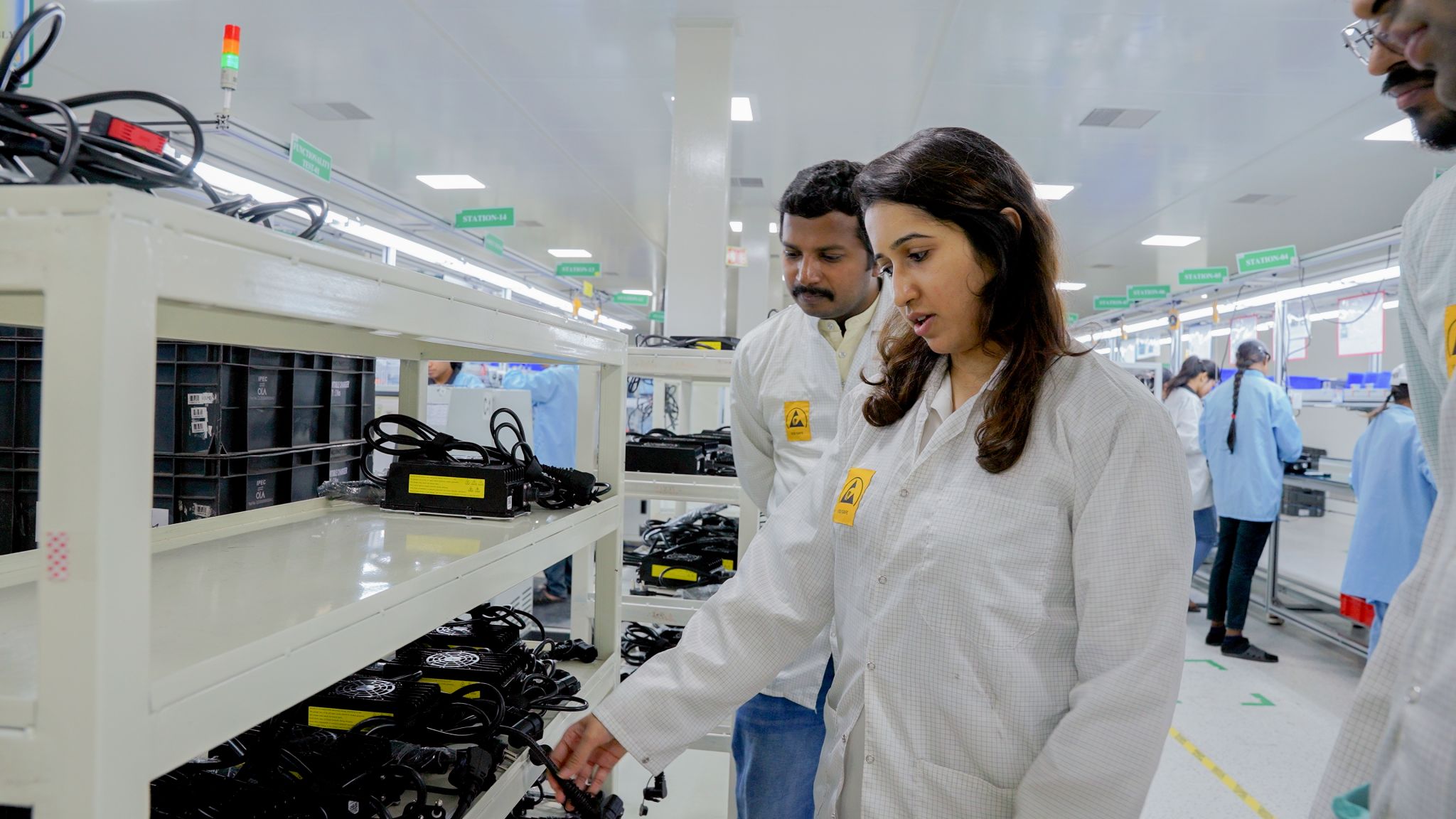
Every EV relies on more than batteries and motors, it depends on a network of components that convert, manage, and deliver power safely and efficiently. These are the backbone of electrification: chargers, onboard power electronics, connectors and communication interfaces.
For too long, India’s electric mobility ecosystem depended heavily on imports for power electronics. These systems were expensive and not designed for India’s realities. India has a unique vehicle mix where more than 80% of vehicles sold are 2-Wheelers and 3-Wheelers. These products have to endure India’s extreme weather conditions such as high temperature, rain, dust, humidity and vibration as well as withstand power grid fluctuations.
When IPEC India was founded in 2017, it recognized a simple truth: India’s EV revolution couldn’t run on borrowed technology. It needed a domestic backbone, a company that could design, engineer, and manufacture power conversion and charging solutions which were cost-effective, built for Indian conditions, yet ready for global standards.
From Joint Venture to Industry Leader
IPEC was born out of collaboration between MEHER Group, DEKI Electronics, and Sungho Electronics, combining 135+ years of experience in designing and manufacturing electrical, electronic components and power quality solutions.
The company’s portfolio spans:
- Private and Portable Chargers for homes and residential use
- Onboard Chargers for seamless integration with OEM systems
- EV Connectors and Vehicle Charging Inlets built for safety and interoperability standards
- Public Chargers for commercial and fleet applications
Beyond hardware, IPEC’s cloud-based Charging Management System (CMS) and Mobile App enable real-time monitoring, analytics, and control, giving EV users and operators a unified digital interface to manage infrastructure.
By integrating hardware and software, IPEC has built an ecosystem ensuring reliability at scale.
Localisation as a Strategic Advantage
Today, all IPEC products are engineered and manufactured in India, with over 55% of components sourced domestically — a figure the company aims to push beyond 70% in the next two years. While IPEC collaborates with select Chinese vendors for certain key power electronics components, the design, engineering, integration, and overall product architecture remain entirely in-house.
Localisation is more than a manufacturing choice — it is a strategic lever for speed, cost efficiency, and resilience. It enables:
- Shorter lead times and faster new-product development cycles
- Lower logistics and import-duty costs
- Reduced working-capital requirements
- Greater flexibility during demand fluctuations
- Improved price negotiation power
- Lower geopolitical exposure and a more robust supply chain
In a sector where reliability, cost control, and rapid scaling are mission-critical, localisation becomes a durable competitive moat.
Scaling the Engine of Electrification
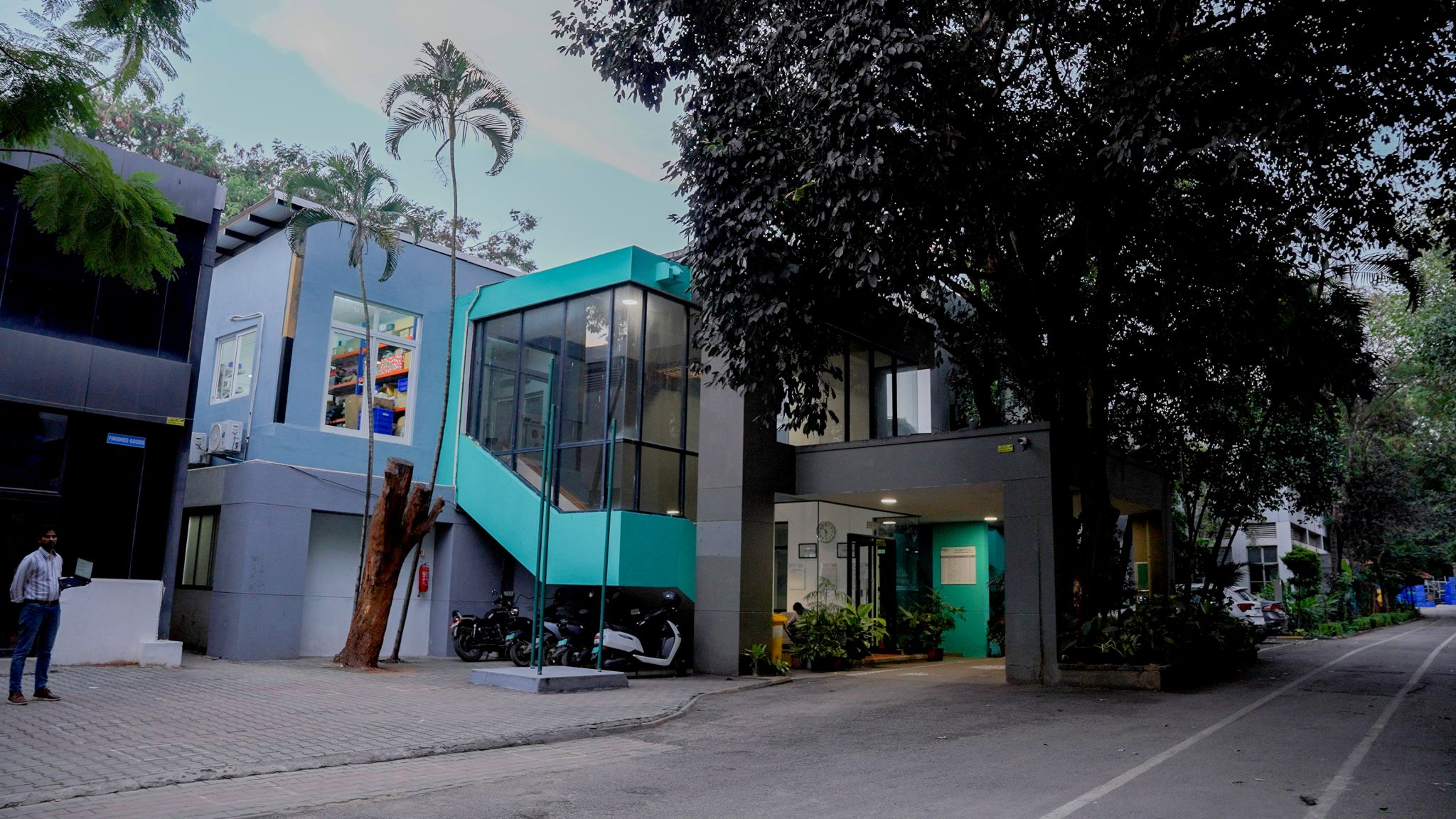
From its headquarters in Bengaluru, IPEC has delivered over 2 million EV charging products to leading OEMs including Ather Energy, Bajaj Auto, Greaves (Ampere), HMCL, Ultraviolette Automotive, Matter Motors and more.
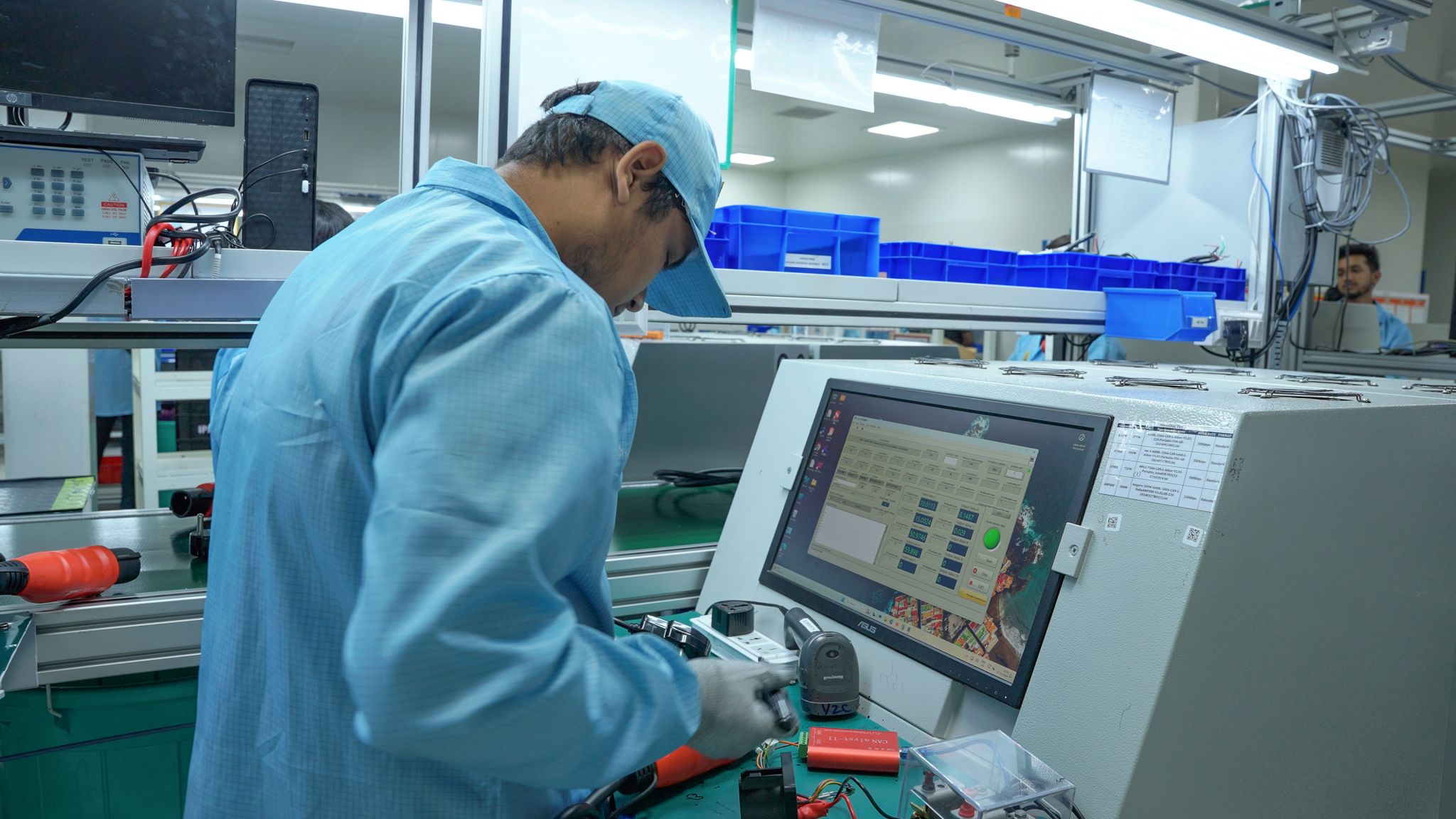
To meet growing demand, IPEC recently inaugurated its second manufacturing facility to expand its capacity to 80,000 chargers per month. With advanced automation, rigorous testing, and a focus on localization, the facility strengthens India’s domestic manufacturing footprint while maintaining global standards.
IPEC has set benchmarks in manufacturing and supplying chargers to top OEMs in the 2-wheeler segment and has now diversified its product portfolio to include 3-Wheeler and 4-Wheeler chargers.
It has also entered into a partnership with India's leading electrical and automation company to offer end-to-end Public EV charging solutions PAN India.
Built for India, Ready for the World
IPEC’s work aligns with India’s Make in India and PLI missions, but its ambitions are global. Every component from circuit boards to enclosures is designed for efficiency, safety, and durability in India’s unique power ecosystem.
The company’s standards and certifications also make it export-ready, serving markets in Southeast Asia, the Middle East, and Europe. By embedding software intelligence and IoT integration, IPEC is future-proofing its solutions for smart grids, predictive maintenance, and energy efficiency.
In essence, IPEC is engineering the connective tissue between vehicles, power grids, and data systems.
The Road Ahead
As India races toward its 2030 EV targets, the companies shaping the future will build the invisible infrastructure that powers them.
IPEC India stands at that intersection. Its journey from a joint venture to a key enabler of India’s EV revolution reflects what’s possible when manufacturing excellence meets long-term vision.
At Gruhas, we back founders who tackle fundamental challenges and build solutions that endure. IPEC India exemplifies this approach, developing robust and scalable charging infrastructure.